Tire Chain 12 mm Thickness: Buyer's Guide for Belarus Fleets and Distributors
Tire Chain 12 mm Thickness: What Belarus Buyers Should Know Before Ordering
Belarus winters bring long periods of snow, packed ice on regional roads, and freezing temperatures that make reliable tire chains a practical necessity for fleet operators, agricultural businesses, logistics companies, and distributors. Among the options on the market, tire chains with 12 mm thickness have become a common specification because they balance traction, durability, and fitment clearance for a wide range of vehicles. This guide explains what 12 mm chain thickness means in practice, how it compares with heavier options such as 18 mm chains, and which evaluation criteria procurement teams in Belarus should apply before requesting a quote.
What Does 12 mm Chain Thickness Actually Mean?
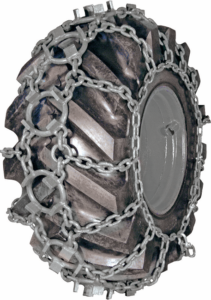
When a supplier lists a tire chain as 12 mm, the figure typically refers to the diameter or cross-sectional size of the chain links that form the traction pattern and side chains. Thickness directly influences three practical factors:
- Traction: Thicker links bite deeper into packed snow and ice, which improves grip on untreated rural and regional roads.
- For country-specific requirements, confirm product classification, documents, commercial terms, and any requested customization, installation, or after-sales options with the supplier before ordering.
12 mm vs 18 mm Thickness: How to Choose
Suppliers in this category commonly offer both 12 mm and 18 mm thickness options, and each suits a different operating profile.
When 12 mm chains make sense
When 18 mm chains make sense
An 18 mm chain is generally aimed at heavier vehicles, off-road use, or severe terrain where maximum link strength and aggressive traction matter more than clearance constraints. Agricultural machinery support vehicles, forestry operations, and heavy 4WD applications are typical candidates. Buyers should confirm clearance on each vehicle model before specifying 18 mm chains, since many standard vehicles cannot accommodate them.
A simple comparison framework
Matching Chains to 4WD and SUV Applications
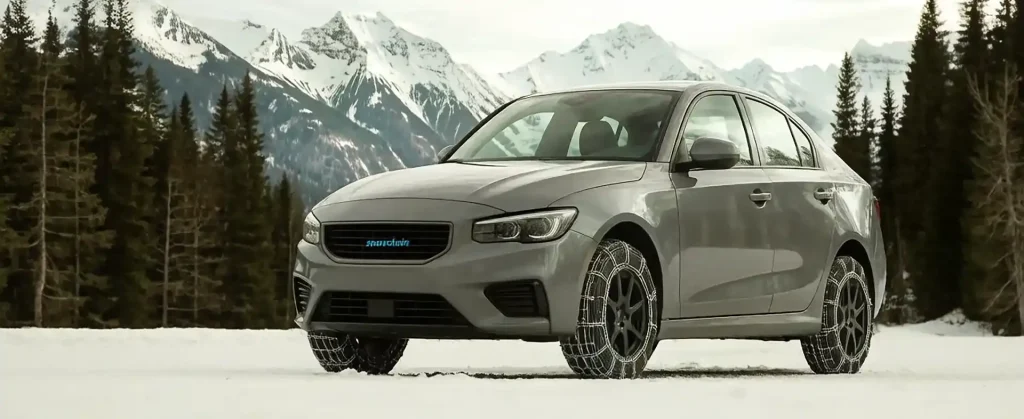
Four-wheel drive does not eliminate the need for tire chains; it changes how chains should be specified. A 4WD SUV tire chain snow chain setup must account for tighter wheel housings, electronic stability systems, and the possibility that chains are required on all four wheels or only the driven axle, depending on vehicle manufacturer guidance.
Procurement teams supplying SUV and 4WD fleets in Belarus should collect the following information per vehicle before ordering:
- Full tire size marking as printed on the sidewall, including width, aspect ratio, and rim diameter.
- Minimum clearance between tire, suspension arms, brake lines, and inner fender, following the vehicle owner’s manual.
- Whether the vehicle manufacturer permits chains and on which axle.
- Typical operating conditions: urban cleared roads, regional routes, or unpaved rural terrain.
Providing this data to the supplier with a quote request reduces the risk of ordering chains that technically match a tire size but physically do not fit the vehicle.
Key Tire Chain Specifications to Verify
Beyond thickness, a well-prepared inquiry should ask for documented answers on the following points:
- Link thickness and pattern: Confirm whether 12 mm refers to all links or only cross chains, and request the chain pattern (ladder, diamond, or diagonal) since pattern affects ride comfort and traction consistency.
- Material and treatment: Ask what steel grade is used and whether any hardening process is applied, with supporting documentation rather than verbal claims.
- Tire size compatibility list: Request a fitment chart mapping each chain SKU to specific tire sizes.
- Packaging and labeling: For wholesale and distribution, confirm set packaging, language options on instructions, and carton quantities.
- Compliance documentation: Ask which test reports or conformity documents can be supplied for the destination market. Requirements may vary depending on how the product will be sold or used in Belarus, so verify applicable obligations with your importer or customs adviser before finalizing an order.
Evaluating a Supplier for the Belarus Market
- Sample policy: Request physical samples and measure link thickness yourself with calipers; confirm that samples match quoted specifications.
- Product range: A supplier offering both 12 mm and 18 mm chains, plus 4WD and SUV-specific models, simplifies consolidated purchasing.
- Communication quality: Clear, specification-level answers to technical questions are a practical proxy for overall reliability.
- Export experience: Confirm the supplier’s experience shipping to your region and what commercial terms they offer, then verify logistics arrangements independently with your freight partner.
Practical Buying Steps for Belarus Procurement Teams
A disciplined sourcing process reduces seasonal risk:
- Build a vehicle and tire size inventory across your fleet or customer base.
- Order samples, test fit on representative vehicles, and check wear after a trial period.
- Place volume orders early enough to absorb production and transit time before the winter season peaks.
Request a Quote
If you are sourcing tire chains in 12 mm or 18 mm thickness, including 4WD SUV tire chain snow chain models, for the Belarus market, prepare your tire size list and quantity estimates and contact the team at 赛铂锐 via www.snow-chain.com to request a quote. Specification-level inquiries with confirmed vehicle data receive the most accurate responses and help you secure supply ahead of the season.