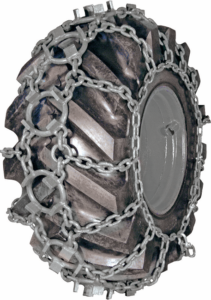

Tire Chain Manufacturer vs Distributor: How Russian Buyers Should Choose
For country-specific requirements, confirm product classification, documents, commercial terms, and any requested customization, installation, or after-sales options with the supplier before ordering.
Why This Decision Matters in Russia
Russian winters create sustained demand for traction devices across passenger vehicles, trucks, and 4WD SUVs. Buyers supplying retail chains, fleet operators, or regional wholesalers often need consistent specifications across large order volumes, including defined chain thickness options such as 12 mm and 18 mm. The sourcing model you choose affects how reliably those specifications are met, how pricing behaves as volumes grow, and how quickly you can resolve quality or documentation issues.
What a Tire Chain Manufacturer Offers
A tire chain manufacturer produces the chains in its own facility and sells them wholesale, often for export. When you buy direct from the factory, you typically gain the following structural advantages.
- Wholesale pricing. Without an intermediary margin, per-unit pricing usually improves as order volume increases.
- Export experience. Manufacturers with confirmed export capability handle international orders routinely, though the exact documentation and logistics scope should generally be confirmed in writing.
For example, saiborui (赛铂锐) operates as a manufacturer with wholesale and export capability, offering confirmed specifications including 12 mm and 18 mm chain thickness and 4WD SUV tire chain snow chain products. Buyers evaluating a direct factory relationship can review the product range at snow-chain.com and request a quote against their target specifications.
What a Tire Chain Distributor Offers
A tire chain distributor buys finished goods from one or more manufacturers and resells them, sometimes holding regional stock. The distributor model has its own practical benefits.
- Smaller order flexibility. Distributors may accept mixed orders across brands and sizes that a factory would not schedule as a production run.
- Local availability. Stock held in-region can shorten delivery time for urgent or seasonal top-up orders.
- Consolidated sourcing. A distributor can bundle chains with related winter products from multiple factories.
- Reduced administrative load. Domestic distributors may simplify payment, currency, and import handling, depending on their setup.
Side-by-Side Comparison
| Evaluation factor | Manufacturer direct | Distributor |
|---|---|---|
| Unit pricing at volume | Generally lower, factory wholesale | Includes intermediary margin |
| Specification control | Direct, e.g. 12 mm or 18 mm thickness options | Limited to stocked lines |
| Customization and private label | Possible; confirm scope with the factory | Rarely available |
| Minimum order expectations | Typically production-run based; confirm per supplier | Often smaller, mixed orders possible |
| Lead time behavior | Production plus shipping; confirm per order | Faster if local stock exists |
| Quality visibility | Direct access to production information | Dependent on distributor disclosure |
| Communication | Direct with factory, possibly across time zones | Local language and hours |
Tire Chain Supplier Evaluation Criteria
Regardless of which model you choose, apply the same structured tire chain supplier evaluation before committing. A practical checklist includes the following.
- Business model verification. Confirm whether the counterparty manufactures in-house or resells. Request evidence such as factory registration, production photos, or a facility audit.
- Specification documentation. Ask for written specifications covering chain thickness, material, fitment range, and packaging. For instance, verify that stated 12 mm and 18 mm thickness options match samples.
- Sample evaluation. Order samples, including the exact 4WD SUV tire chain snow chain sizes you plan to stock, and check fit, weld quality, and tensioning hardware.
- Export and documentation scope. Ask which export documents the supplier prepares and which remain your responsibility. Do not assume logistics management is included.
- Communication and responsiveness. Measure reply time and technical accuracy during the quotation stage; it is a reliable predictor of after-sales behavior.
- Payment and terms. Compare payment structure, Incoterms offered, and remedies for defective goods across candidates.
Tire Chain Selection Criteria for Russia
Beyond the sourcing model, product selection for the Russian market should reflect real operating conditions and vehicle mix.
- Vehicle segment. A fleet heavy on 4WD SUVs needs different sizing and clearance considerations than a passenger-car retail program. Match fitment lists to the actual vehicles your customers drive.
- Season timing. Russian winter demand peaks early in the season. Build buffer into your ordering calendar, since production and transit times must be confirmed per order rather than assumed.
- Local requirements. Depending on the region and vehicle category, specific rules may apply to traction device use and product documentation. Verify current requirements with local advisors before finalizing specifications.
When Each Model Makes Sense
Next Steps
Shortlist two or three candidates in each category, run the evaluation checklist above, and request quotes on identical specifications so pricing is comparable. If a direct factory relationship fits your program, you can request a quote from saiborui through snow-chain.com, referencing your required chain thickness, vehicle fitments, and target volumes for the Russian market.
Choose a manufacturer direct relationship when your program involves recurring, high-volume orders with stable specifications, when you need defined thickness options such as 12 mm and 18 mm produced consistently across batches, or when wholesale pricing is a primary driver of margin. This model rewards buyers who can plan ahead, consolidate volumes, and manage their own import process.
Choose a distributor when order sizes are small or mixed across sizes, when speed of replenishment matters more than unit price, or when you lack the capacity to handle export documentation and international payment. Distributors also suit buyers testing a market before committing to production-run volumes.
Many mature buyers use both: a factory relationship for the core seasonal program and a regional distributor for urgent top-up orders and slow-moving sizes.
Evidence Questions to Ask Each Candidate
Before comparing quotes, send every shortlisted supplier the same written questions so answers are directly comparable.
- Which chain thickness and fitment options can you document in writing, including 12 mm and 18 mm variants where offered?
- Can you provide samples of the exact 4WD SUV tire chain snow chain sizes on our fitment list, and at what cost?
- Which export documents do you prepare, and which remain the buyer’s responsibility?
- What payment terms, Incoterms, and defect remedies do you offer on first orders?
- Can you share references, audit reports, or third-party inspection options?
Red Flags During Supplier Evaluation
Certain signals suggest caution regardless of the sourcing model.
- Reluctance to confirm whether the company manufactures or resells.
- Specifications given verbally but rarely confirmed in writing.
- Pressure to commit to a full order before samples or audits are possible.
- Vague answers about export documentation responsibilities, which can leave gaps discovered only at the border.
Comparing Quotes Fairly
Quotes from a manufacturer and a distributor are rarely like-for-like. Normalize comparisons by requesting pricing against identical written specifications, the same Incoterm, and the same quantity tiers. Account for total landed cost, not unit price alone: a lower factory price can be offset by freight, import handling, and the internal time spent managing the order. A slightly higher distributor price may be justified when it includes local stock, mixed-size flexibility, and reduced administrative work. Document each quote side by side so the decision is defensible internally.